Nasal Endoscopy Explained: A Singapore Patient’s Guide to the ‘Nose Scope’
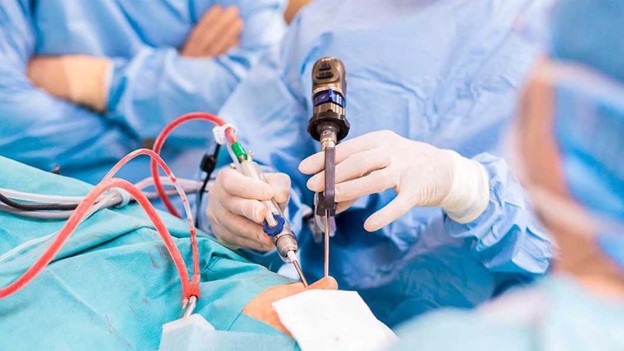
Nasal Endoscopy Explained - A Singapore Patient’s Guide to the ‘Nose Scope’

If your ENT doctor has recommended a nasal endoscopy—sometimes called a “nose scope”—it’s very normal to feel a bit anxious. The name sounds intimidating, and many patients immediately worry: Will it hurt?, What will they see?, Is it safe?

This article walks you through exactly what happens during an ENT nasal endoscopy in Singapore, step by step, so you know what to expect from the moment you enter the clinic to the moment you leave.

What Is Nasal Endoscopy?

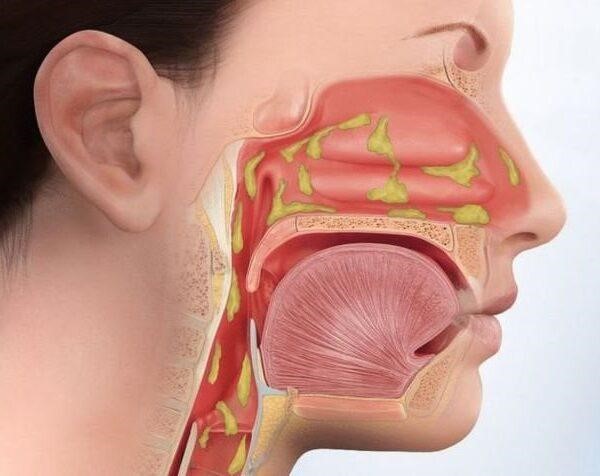
Nasal endoscopy (also known as ENT nasal endoscopy or a nose scope) is a procedure where your ENT specialist uses a thin, flexible or rigid tube with a tiny camera and light at the tip to look inside your:

  • Nasal passages
  • Sinus openings
  • Nasal septum (the middle wall of your nose)
  • Nasopharynx (the area behind your nose and above your throat)

Think of it as a high-definition inspection of your nose and nearby structures. It allows much clearer and more detailed views than a normal torch and tongue depressor exam.

Your doctor uses nasal endoscopy to diagnose, monitor, or plan treatment for nose and sinus conditions.

Why Is a Nose Scope Recommended?

In Singapore, an ENT specialist may suggest a nose scope if you have:

  • Long-term blocked nose or congestion
  • Recurrent or chronic sinusitis (frequent sinus infections)
  • Persistent runny nose or post-nasal drip
  • Facial pain or pressure
  • Frequent nosebleeds
  • Loss of smell or taste
  • Suspected nasal polyps or growths
  • Snoring or suspected sleep apnoea related to nasal obstruction

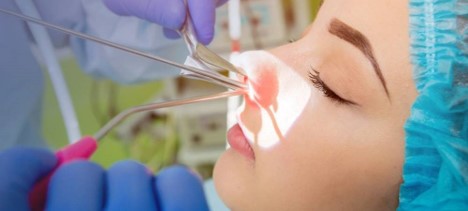
Sometimes, nasal endoscopy is also used to check healing after sinus or nasal surgery, or to guide certain in-clinic procedures, like cauterising a bleeding vessel or taking a small biopsy.

Before the Procedure - What to Expect at the ENT Clinic

Before the Procedure: What to Expect at the ENT Clinic

Most nasal endoscopy procedures are done in the clinic setting and take only a few minutes.

1. Brief Consultation and History

Your ENT doctor will usually:

  • Ask about your symptoms (how long, how severe, what triggers them).
  • Review any previous scans (such as CT scans of the sinuses).
  • Examine your nose, throat, and ears with a light.

If a nose scope procedure is helpful or necessary for clearer diagnosis, they will explain why, and you’ll have a chance to ask questions.

2. Preparation and Anaesthetic Spray

To make the procedure more comfortable, your nose is usually prepared with:

  • A decongestant spray – helps shrink swollen tissues so the scope passes more easily.
  • A local anaesthetic spray – numbs the lining inside your nose.You may feel a slightly bitter taste drip to the back of your throat after sprayi
  • ng. This is normal and lasts a short while.

You’ll then sit for a couple of minutes while the medication takes effect.
During Nasal Endoscopy - Step-by-Step

During Nasal Endoscopy: Step-by-Step

Here’s what actually happens when the ENT nasal endoscopy begins.

Step 1: Positioning

You will usually:

  • Sit upright in a comfortable examination chair.
  • Be asked to keep your head slightly forward and relax your shoulders.

The doctor will stand or sit facing you, with the endoscope and screen nearby.

Step 2: Introducing the Nose Scope

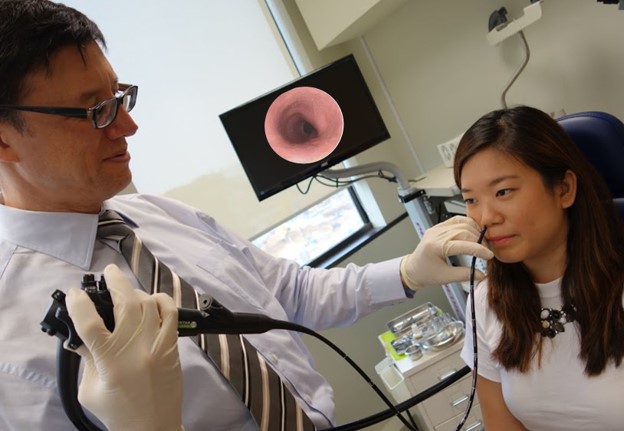
The doctor gently inserts the nasal endoscope into one nostril at a time. You might feel pressure, but it should not be painful if the anaesthetic is working well.

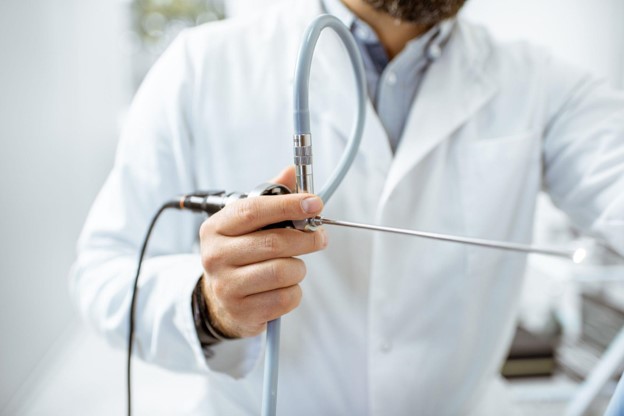
There are 2 main types of scopes:

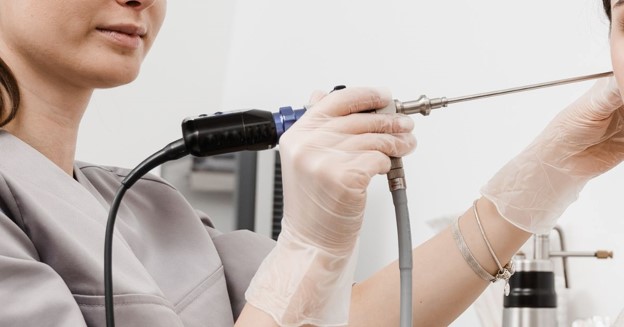
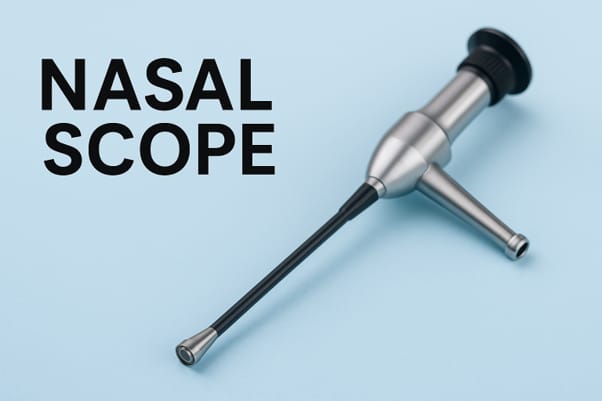
  • Rigid endoscope – straight, gives superb detail, commonly used for sinus and nasal cavity examination.
  • Flexible endoscope – bendable, especially useful for viewing further back towards the throat and voice box.

Your doctor may use either, depending on what needs to be examined.

Step 3: Inspection of the Nasal Passages

As the scope moves through the nose, your ENT specialist will carefully inspect:

  • The nasal septum to check for deviation or perforation
  • The turbinates (structures that warm and humidify air) for swelling
  • The sinus openings to see if they are blocked by mucus, swelling, or polyps
  • Any discharge, crusts, or signs of infection

You might be asked to breathe through your nose, mouth, or say certain sounds to help the doctor see how things move.

Step 4: Examining the Nasopharynx and Surrounding Areas

For some patients, the nose scope will also be gently guided further back to view:

  • The back of the nose and upper throat (nasopharynx)
  • The opening of the Eustachian tubes (which connect the middle ear to the back of the nose)

This is helpful for issues such as blocked ears, hearing problems, or adenoid enlargement in children.

Step 5: Images, Video, and In-Clinic Procedures

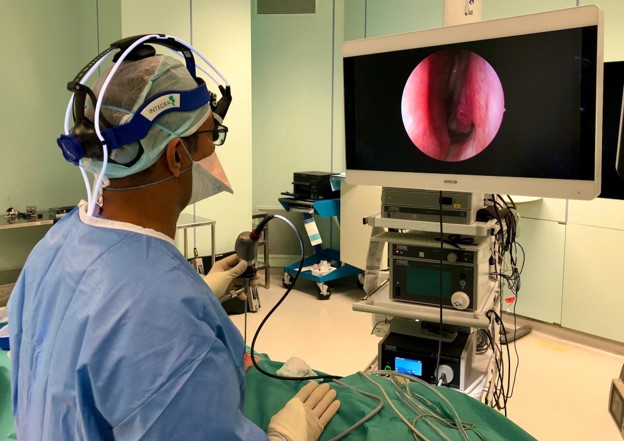
Many ENT clinics in Singapore use cameras that send images from the nasal endoscopy directly to a screen. This allows your doctor to:

  • Show you what they see – helpful for explaining your condition.
  • Capture photos or recordings – useful for tracking progress over time.

Sometimes, minor procedures can be done during the nose scope, such as:

  • Taking a small tissue sample (biopsy)
  • Clearing thick mucus or crusts
  • Applying medication directly to a problem area
  • Cauterising a small bleeding vessel

These are usually quick and done with added care and anaesthetic.
Does Nasal Endoscopy Hurt

Does Nasal Endoscopy Hurt?

This is the question almost every patient asks.

Most people describe an ENT nasal endoscopy as:

  • Slightly uncomfortable
  • A feeling of pressure or fullness
  • Occasionally a brief urge to sneeze or tear up

It should not be severely painful. If at any point it feels too uncomfortable, you can signal the doctor to pause. They can:

  • Reposition the scope
  • Add more anaesthetic
  • Proceed more slowly

Children, very anxious patients, or those with severe nasal sensitivity may require more reassurance or a modified approach, but for most, the procedure is very tolerable and over in a few minutes.

After the Nose Scope: Recovery and Side Effects

Once the nasal endoscopy is done:

  • You may feel a slight numbness in your nose and throat for 20–30 minutes due to the anaesthetic spray.
  • It might feel a little “strange” to swallow, but this wears off quickly.
  • Occasionally there is mild spotting of blood if the lining was irritated, especially in people with sensitive or inflamed noses.

Most patients can:

  • Return to normal activities right away
  • Eat and drink normally once the numb sensation fades
  • Travel home on their own

If any specific after-care is needed (e.g. avoiding nose blowing for a short time), your doctor will advise you.

What Conditions Can a Nose Scope Help Diagnose

What Conditions Can a Nose Scope Help Diagnose?

A nasal endoscopy is incredibly useful for diagnosing and monitoring a wide variety of ENT conditions, such as:

  • Deviated nasal septum
  • Nasal polyps
  • Chronic rhinosinusitis (chronic sinusitis)
  • Allergic rhinitis with significant swelling
  • Infective sinusitis with pus or thick discharge
  • Nasal tumours or growths
  • Bleeding points causing recurrent nosebleeds
  • Adenoid enlargement (especially in children)
  • Structural issues contributing to snoring or sleep apnoea

Because the camera gives a magnified and well-lit view, your ENT specialist can diagnose more accurately than with an external exam alone. This often means more targeted treatment and fewer “trial and error” medications.

How Is Nasal Endoscopy Different from Imaging Scans?

You might wonder why you need a nose scope if you’ve already done a CT scan or MRI.

In simple terms:

  • CT / MRI scans
    • Show detailed images of the sinuses and deeper structures.
    • Are excellent for planning surgery and assessing the extent of disease.
  • Nasal endoscopy (ENT nasal endoscopy)
    • Shows the actual lining, tissues and movement inside your nose.
    • Can reveal inflammation, pus, small polyps, crusts, or bleeding points that might not stand out on a scan.
    • Allows your doctor to treat and sample tissues during the same visit.

In many cases, both methods provide complementary information and lead to a much clearer overall picture.
Are There Any Risks with Nasal Endoscopy

Are There Any Risks with Nasal Endoscopy?

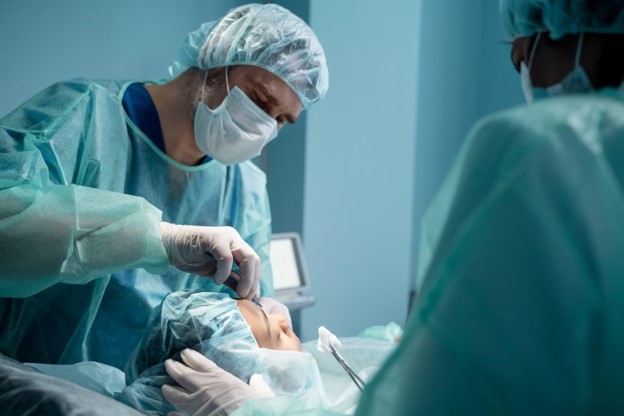
Nasal endoscopy is generally very safe when performed by a trained ENT specialist.

Possible, but usually minor, side effects include:

  • Mild discomfort or stinging during the procedure
  • Temporary numbness or unusual taste from the anaesthetic
  • Slight bleeding from the nose (especially if the lining is already inflamed)
  • Very rarely, more significant bleeding or infection

Serious complications are extremely uncommon. Always let your doctor know if you:

  • Have a history of frequent nosebleeds
  • Are on blood thinners (such as warfarin, aspirin, or other anticoagulants)
  • Have known bleeding disorders

Your ENT specialist will take extra precautions if needed.

How to Prepare for a Nose Scope Appointment

You usually don’t need special preparation, but these tips can help:

  • Bring a list of your medications, including blood thinners and nasal sprays.
  • Note down your symptoms, duration, and any triggers (for example: dust, cold air, lying down).
  • If you’ve had previous scans or tests, bring the reports or images.
  • Avoid heavy nose blowing right before the visit, as this can temporarily alter the appearance of the nasal passages.

If you are particularly nervous, don’t hesitate to tell your ENT doctor—they can explain each step more slowly and reassure you throughout the procedure.

When Should You Ask for a Nasal Endoscopy?

You may want to ask your doctor whether ENT nasal endoscopy would be useful if:

  • Your blocked nose or sinus symptoms keep returning despite multiple medications.
  • You’ve had repeated sinus infections in a short period.
  • There is recurrent one-sided nosebleeding or obstruction.
  • Your GP or previous specialist has mentioned possible polyps, growths, or structural problems.
  • You want a clearer understanding of why your symptoms are not improving.

A nose scope can help move things forward—from guessing and symptom management towards a clear diagnosis and tailored treatment plan.

Key Takeaways

  • Nasal endoscopy (or nose scope) is a quick, clinic-based procedure that lets your ENT specialist see clearly inside your nose and sinus openings.
  • It is usually well tolerated, with only mild discomfort and brief numbness from a local anaesthetic spray.
  • ENT nasal endoscopy helps diagnose a wide range of problems, from chronic sinusitis and nasal polyps to nosebleeds and structural abnormalities.
  • The procedure is safe, fast, and highly informative, often guiding more precise treatment decisions or minor in-clinic procedures.

If your doctor in Singapore has recommended a nasal endoscopy, understanding what really happens during a nose scope can ease your mind. Instead of something to fear, you can view it as a powerful tool that brings you one step closer to relief, clarity, and better control of your nose and sinus health.…

Understanding the Nasal Scope: How Singapore ENTs Use Nasoendoscopy to Diagnose Nose Problems

Understanding the Nasal Scope

Introduction: Understanding the Nasal Scope

Nasal and sinus problems are among the most common reasons people visit an Ear, Nose, and Throat (ENT) specialist in Singapore. From persistent nasal blockage to unexplained nosebleeds, accurate diagnosis is the key to lasting relief. One of the most effective diagnostic tools in modern ENT practice is the nasal scope, also known as nasoendoscopy.

This simple yet advanced examination gives doctors a clear, magnified view inside the nasal passages and sinuses. Let’s explore what the procedure involves, when it’s needed, and how it helps your ENT identify and treat nose-related conditions effectively.

What Is a Nasal Scope?

A closer look at the instrument

A nasal scope is a thin, flexible, or rigid tube with a small camera and light source at the tip. It allows the ENT doctor to see the inside of the nose and upper airways in real time. The scope sends high-definition images to a screen, allowing detection of details that would otherwise be missed during a standard examination.

The flexible scope is especially useful for examining deeper areas such as the back of the nose and nasopharynx, while the rigid type provides sharper images of the nasal cavity and sinuses. Both are widely used in ENT clinics across Singapore.

Areas examined during nasoendoscopy

During a nasoendoscopy, the ENT inspects areas such as the nasal septum, turbinates, sinus openings, and the back of the nasal cavity. Sometimes, the examination extends towards the nasopharynx—the upper part of the throat behind the nose—to check the adenoids, Eustachian tube openings, or other potential sources of blockage.

Why and When ENTs in Singapore Use the Nasal Scope

Common indications

ENT specialists usually recommend a nasal scope procedure when nasal symptoms do not respond to basic treatments or when the cause remains unclear. Common reasons include:

  • Persistent or unexplained nasal congestion.
  • Recurrent or chronic sinus infections.
  • Loss or change of smell.
  • Frequent nosebleeds.
  • Suspected nasal polyps, tumours, or deviated septum.
  • Detection of foreign objects (especially in children).

In essence, any ongoing nasal problem that doesn’t improve with standard care may require closer examination with a nasal scope.

Why is nasoendoscopy important in ENT practice?

A nasoendoscopy gives ENT specialists direct visual access to areas that cannot be seen externally. This accuracy helps detect subtle issues early, such as small polyps or narrowed sinus openings, before they develop into major concerns.

For many Singapore patients, where allergies and sinus infections are common, nasoendoscopy helps doctors create targeted and effective treatment plans. It can also reduce the need for additional scans or surgery, as many findings can be managed immediately once identified.

What to Expect During a Nasal Scope Procedure

What to Expect During a Nasal Scope Procedure

Before the procedure

There’s little preparation needed before a nasal scope procedure. Your doctor may ask about your medical history, blood-thinning medications, or allergies. In most clinics, a mild anaesthetic and decongestant spray is applied to the nose to reduce discomfort and open the nasal passages for easier viewing.

Step-by-step process

You will usually sit upright or slightly reclined in the examination chair. The ENT then gently inserts the scope through one nostril. Most patients describe the sensation as mild pressure rather than pain. You might be asked to breathe through your mouth or speak, depending on the area being examined.

The camera sends live images to a monitor, allowing the ENT to examine the nasal lining, sinus openings, and any irregularities. If needed, a small tissue sample (biopsy) may be collected for further analysis. The entire procedure usually takes only a few minutes.

After the procedure

The numbing spray’s effects may last for around half an hour, during which your nose or throat might feel slightly numb. Minor irritation or a small nosebleed can sometimes occur, but these symptoms resolve quickly. Most patients can resume normal activities immediately afterward.

Benefits and Limitations of the Nasal Scope

Benefits and Limitations of the Nasal Scope

Key benefits

The nasal scope has transformed how ENT doctors diagnose nose problems. It provides a clear and detailed view of the nasal anatomy, allowing doctors to spot problems that standard tools cannot detect.

Because it’s minimally invasive, the procedure is safe, fast, and performed in an outpatient setting. The live images allow for quick decision-making—whether to continue medication, order imaging, or plan minor surgery.

Limitations and possible risks

Although nasoendoscopy is very safe, it focuses on the surface structures inside the nose. Deeper sinus cavities may still require imaging, such as a CT scan, for a complete evaluation.

Possible side effects are rare but can include mild bleeding, an allergic reaction to the spray, or brief dizziness. Extra care is taken if you are on blood thinners or have a bleeding disorder.

How the Nasal Scope Helps Diagnose Specific Nose Problems

Nasal blockage and structural issues

A frequent reason for a nasoendoscopy is persistent nasal obstruction. The nasal scope helps identify whether the blockage is due to a deviated septum, enlarged turbinates, or swollen nasal tissues from allergies. This allows the ENT to recommend the most suitable treatment.

Chronic sinusitis and nasal polyps

For chronic sinus infections, the nasal scope is extremely useful. It helps the doctor see inflammation, mucus build-up, or polyps that obstruct sinus drainage. These findings can lead to more accurate diagnoses and better treatment planning.

Loss of smell and functional issues

Loss of smell can occur when swelling or obstruction affects the upper nasal cavity. The nasal scope allows direct assessment of the olfactory region to identify inflammation or structural causes that may be treated medically or surgically.

Nosebleeds and foreign bodies

The nasoendoscopy helps pinpoint the exact source of nosebleeds and locate small foreign objects in the nasal passages. This is particularly helpful in children or patients with recurrent nosebleeds.

Suspicious growths or nasal tumours

Sometimes, the nasal scope may reveal abnormal tissue growths. If something looks unusual, the ENT can take a small biopsy to confirm the diagnosis. Early detection through this method greatly improves treatment outcomes.

What Happens After the Nasal Scope Examination

Interpreting the findings

After the examination, your ENT will explain what was seen, often showing you the images captured during the procedure. You’ll learn if your nasal structures appear normal or if there are signs of inflammation, polyps, or other abnormalities.

Planning the next steps

Based on the findings, your doctor may suggest continuing medication, managing allergies, further imaging, or surgery if needed. For many patients, the information from a nasal scope examination is enough to guide immediate and effective treatment.

Importance of follow-up

Follow-up appointments are important, especially for patients with chronic sinus or allergy problems. The nasal scope procedure may be repeated to assess how well treatment is working and to make adjustments if necessary.

Practical Tips for Patients in Singapore

  • Choose a qualified ENT specialist with experience in using both flexible and rigid scopes.
  • Ask questions before the procedure so you understand what to expect.
  • Inform your doctor about any medication, especially blood thinners.
  • Stay relaxed during the procedure and breathe normally through your mouth.
  • Avoid heavy exercise or nose blowing for a few hours afterward if advised.

These simple steps help make the nasoendoscopy experience more comfortable and effective.

Summary: Why the Nasal Scope Matters

The nasal scope procedure may be straightforward, but it’s one of the most valuable diagnostic tools in ENT medicine. It gives doctors a real-time view of your nasal passages, helping to identify problems that might not show up on external examination.

In Singapore, nasoendoscopy is a routine part of ENT care, supporting accurate diagnosis and personalised treatment. Whether you’re dealing with chronic sinus issues, nosebleeds, or changes in smell, this simple procedure can make a major difference in identifying and treating the cause.

Final Takeaway

A nasoendoscopy is more than a diagnostic test—it’s a window into the health of your nasal passages and sinuses. In experienced hands, this quick and simple examination can uncover important information that leads to better treatment and long-term relief.

If you’ve been struggling with nasal congestion, sinus infections, or frequent nosebleeds, visit Dr KH Lim Ear Nose Throat Clinic to consult an ENT specialist to see whether a nasal scope procedure could help find the cause and guide your recovery.

Frequently Asked Questions

Is a nasal scope painful?
No, it’s generally well tolerated. A numbing spray prevents discomfort, and most people only feel mild pressure or tickling.

How long does it take?
Usually less than five minutes, often completed during a standard ENT visit.

Do I need to fast or take time off work?
No. You can resume normal activities immediately after the procedure.

Will I need sedation?
Not normally. Sedation is only used for complex procedures that involve surgery or biopsy.

What if something abnormal is found?
Your ENT will discuss the findings and explain the next steps, whether that involves medication, imaging, or minor surgery.…

When Should You Consider ENT Nasal Endoscopy? A Singapore Patient’s Guide

When Should You Consider ENT Nasal Endoscopy - A Singapore Patient’s Guide

If you’ve been experiencing persistent nasal congestion that doesn’t go away with over-the-counter treatments or antibiotics, your ENT specialist might recommend a nasal endoscopy. But what exactly is this procedure, and when should you consider having one?

This guide is crafted for patients in Singapore who are curious, concerned, or considering a nasal endoscopy. Whether you’re dealing with chronic sinus issues, unexplained nasal blockages, or recurring infections, we’ll walk you through everything you need to know—from what it involves to when it’s truly necessary.

What Is a Nasal Endoscopy? 

A nasal endoscopy is a diagnostic procedure that allows an ENT (Ear, Nose and Throat) specialist to examine the inside of your nose and sinuses in detail. Using a thin, flexible or rigid tube called an endoscope or a nose scope—equipped with a light and camera—your doctor can get a clear view of structures that are otherwise hidden during a routine nasal examination.

The procedure is typically done in the ENT clinic setting and takes only a few minutes. It’s minimally invasive and usually well-tolerated, often performed under a local anaesthetic spray to numb the nasal passages.

Why Is It Recommended? 

A nasal endoscopy gives ENT specialists a direct view of your nasal cavity, sinus openings, turbinates, nasal septum, and nasopharynx (the upper part of your throat behind the nose). It helps detect a variety of nasal or sinus issues that may not show up clearly on physical exams or X-rays.

ENT doctors in Singapore frequently use nasal endoscopy to:

  • Diagnose chronic sinusitis and nasal polyps
  • Check for abnormal growths or tumours
  • Assess nasal blockage or breathing issues
  • Investigate the cause of persistent nosebleeds
  • Monitor post-surgical recovery after sinus or nasal surgery

Common Symptoms That Warrant a Nasal Endoscopy 

Wondering if your symptoms justify a nasal endoscopy? Here are some of the most common signs that may prompt your ENT specialist to recommend this procedure:

1. Chronic Nasal Congestion 

If you’ve been experiencing ongoing nasal blockage or congestion for more than 12 weeks despite medication, an endoscopy may reveal hidden causes such as nasal polyps, a deviated septum, or enlarged turbinates.

2. Recurrent or Chronic Sinus Infections 

Frequent sinus infections (sinusitis) that recur multiple times a year or never fully resolve might indicate obstructed sinus drainage pathways. Nasal endoscopy allows your doctor to directly visualise the sinus openings and identify chronic inflammation or anatomical abnormalities.

3. Persistent Nasal Discharge

Persistent Nasal Discharge

Clear, thick, or discoloured nasal discharge that doesn’t go away could be a sign of chronic infection or even a CSF (cerebrospinal fluid) leak, especially if it’s only from one nostril. A nasal endoscopy can help confirm the source.

4. Nosebleeds (Epistaxis) 

Frequent nosebleeds—particularly from the back of the nasal cavity—should be evaluated with an endoscopy to identify the bleeding site. In some cases, tumours or vascular abnormalities are discovered as the root cause.

5. Loss of Smell (Anosmia or Hyposmia) 

Losing your sense of smell could be due to obstructed airflow, inflammation, or polyps. Nasal endoscopy helps determine whether a physical blockage or another underlying condition is affecting your olfactory function.

6. Suspected Nasal Tumours or Growths 

If your ENT doctor suspects an abnormal mass, growth, or tumour, nasal endoscopy is often the first step. It can be paired with a biopsy (tissue sampling) if something unusual is found.

When Should You See an ENT Specialist in Singapore?

When Should You See an ENT Specialist in Singapore

In Singapore, where air quality, allergens, and environmental factors like humidity can influence respiratory health, many people suffer from chronic sinus or nasal problems. Here’s when it’s time to consult an ENT:

  • You’ve had nasal symptoms for more than 12 weeks
  • Medications (nasal sprays, antihistamines, antibiotics) don’t help
  • You have recurrent infections (more than 3–4 a year)
  • Symptoms like nosebleeds, loss of smell, or headaches are worsening
  • There’s a visible mass or persistent nasal deformity

Early assessment helps prevent complications and can lead to more effective treatment. In most cases, your ENT will determine during your first visit whether an ENT nasal endoscopy is required.

What Happens During the Procedure? 

A nasal endoscopy is a quick and relatively painless procedure performed in the clinic. Here’s what you can expect:

Step 1: Preparation 

Your ENT will apply a local anaesthetic spray or gel to numb the inside of your nose. In some cases, a decongestant spray may also be used to reduce swelling and improve visibility.

Step 2: Insertion of the Endoscope 

The doctor gently inserts the endoscope or a nose scope into one nostril at a time. The high-definition camera transmits real-time images onto a screen, allowing your doctor to examine different structures closely.

Step 3: Observation and Diagnosis 

The examination typically takes around 5–10 minutes. If something suspicious is found (like polyps or abnormal tissue), your doctor might perform a biopsy on the spot or schedule further testing.

Is It Safe?

Is It Safe

Yes—ENT nasal endoscopy is considered very safe when performed by trained ENT professionals. In Singapore, ENT specialists are regulated under the Ministry of Health and must be accredited.

Possible Side Effects:

While uncommon, some patients may experience:

  • Temporary discomfort or stinging sensation
  • Minor nosebleeds
  • Sneezing or watery eyes
  • Rarely, mild dizziness

These symptoms are typically short-lived and resolve within a few hours.

Nasal Endoscopy vs CT Scan: What’s the Difference?

Many patients wonder whether they need a CT scan in addition to nasal endoscopy. Here’s a quick comparison:

Feature Nasal Endoscopy CT Scan
Type of test Visual, real-time Imaging, radiographic
Purpose Detects inflammation, growths, and obstructions Maps of sinus anatomy, hidden infections
Radiation No Yes (low dose)
Location Clinic Radiology centre
Cost Lower Higher

Often, ENT specialists in Singapore will use both tools together to get a comprehensive understanding—nasal endoscopy for surface inspection and CT for internal sinus structures.

Benefits of Early Diagnosis Through Endoscopy 

Early detection is key to managing nasal and sinus conditions effectively. Nasal endoscopy helps ENT doctors:

  • Provide targeted treatment instead of trial-and-error medication
  • Detect early-stage tumours or masses
  • Decide if surgery is necessary (e.g., for polyps or a deviated septum)
  • Monitor healing after sinus surgery or procedures
  • Avoid unnecessary delays in treatment

In Singapore, this proactive approach can make a big difference in managing your health, especially with easy access to ENT clinics and advanced facilities.

Cost of Nasal Endoscopy in Singapore

Cost of Nasal Endoscopy in Singapore

Prices may vary depending on the clinic or hospital setting. However, here’s a general estimate:

  • Private ENT Clinics: $120–$250 (consultation + endoscopy)
  • Public Hospitals (Subsidised): $30–$90 (after subsidies, with referral)

Do check whether Medisave or private health insurance covers part of the procedure. Many ENT clinics will clarify this during your initial appointment.

Where Can You Get a Nasal Endoscopy in Singapore? 

You can undergo nasal endoscopy at:

  • Private ENT clinics (such as Novena Medical Centre, Mount Elizabeth, Parkway East)
  • Reputable hospitals with ENT departments (SGH, NUH, KKH, Tan Tock Seng)
  • Specialist ENT centres that offer same-day appointments

It’s important to choose a MOH-licensed ENT clinic with experienced specialists who can provide personalised care based on your symptoms and medical history.

Conclusion: Should You Consider an ENT Nasal Endoscopy? 

If you’re dealing with ongoing nasal issues, a nasal endoscopy could be the key to getting clear answers. In a country like Singapore, where ENT care is accessible, efficient, and backed by modern medical technology, this safe and quick procedure can make all the difference in your diagnosis and treatment journey.

Whether it’s persistent sinus problems, nasal blockages, or something that “just doesn’t feel right,” don’t ignore the signs. Seek advice from a qualified ENT specialist and consider a nasal endoscopy when:

  • Symptoms persist despite treatment
  • Structural issues are suspected
  • Accurate diagnosis is essential for the next step

Your nose knows when something’s wrong—listen to it.